

Thinking about getting rid of the skin tag, wart, or age spot?
You’re not alone, lots of our clients at Lipo Freeze 2U Dartford wonder which method is best. There are traditional methods like cutting, burning, or using creams, and then there’s the newer option: CryoPen.
Perhaps the most significant difference is the precision and tenderness of CryoPen. It only targets the area of concern and does not affect the surrounding skin. Conventional methods inevitably touch the neighbouring skin, which can sometimes irritate, and the healing process is prolonged.
In short, CryoPen is quick and low-stress, while traditional methods are still useful for bigger or more complex lesions. Many people find that it really depends on what matters most to them—speed and comfort, or a more conventional approach.
What Is CryoPen Treatment, and Is It Available in Dartford, UK?
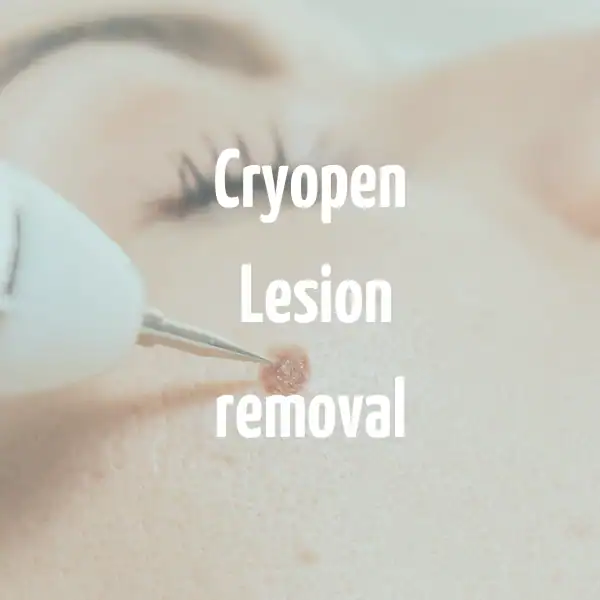
CryoPen is an innovative way to treat skin lesions on your body by freezing with intense cold. It may sound a little scary, but in reality, it’s pretty gentle.
At the time of treatment, a small uniform jet of freezing gas is directed onto the lesion. Within a few days or weeks, the skin that’s treated dries up and sloughs off on its own, exposing new, healthy skin beneath.
See Our Cryopen CRYOTHERAPY Treatment Here
CryoPen is fast and fuss-free, which are two things our clients love about it. Sessions are usually only a few minutes long, discomfort is minimal, and recovery tends to be almost instant.
Here at Lipo Freeze 2U Dartford, we use it on skin tags, warts, age spots, and small imperfections.
What Are Traditional Skin Lesion Removal Methods?
TTraditional removal methods have been used for decades. These include:
- Surgical excision – cutting out the lesion
- Electrocautery – Cauterising the lesion using heat
- Laser treatment – Light to remove tissue
- Topical creams or acids – applied to eat away the growth slowly
These methods are effective, but they can involve more discomfort, longer healing, and a slightly higher chance of scarring, especially for larger lesions or sensitive skin. See Our Cryopen Prices Here

Key Differences Between CryoPen and Traditional Methods
Here’s an easy way to think about it:
- Penetration of Treat: Cryotherapy penetrates the targeted area alone, in contrast to some conventional methods that can affect surrounding skin.
- Comfort: CryoPen is usually painless; surgical or heat-based techniques may be more uncomfortable.
- Recovery: CryoPen has minimal to no downtime; traditional methods can take days to heal.
- Damage: There is less risk of trace with Cryotherapy.
- Treatment time: Very fast, a few minutes per lesion (Cryotherapy)
In other words, cryotherapy is ideal for smaller, cosmetic lesions, whereas conventional methods are more appropriate for larger or complicated cases.

Benefits of Choosing Cryotherapy
So, as we do at Lipo Freeze 2U Dartford — quick, effective & stress-free Cryotherapy recommendations for you 🙂 Here’s why people love it:
- No incisions or stitches needed = no invasiveness
- Short: Usually only a few minutes
- Minimal downtime: Get back to your day almost immediately
- Talk to your therapist: about your overall level of low discomfort. That is: a cold feeling, or tingling?
- Reduced scar potential: Especially on small lesions
- Extremely accurate: Protects healthy skin surrounding a lesion
A lot of our clients are stunned at how simple it is.” One even declared, “I could hardly feel it, and it was over before I knew what happened!” Revitalise Your Skin: Treating 5 Skin Blemishes with CryoPen Lipofreeze Dartford
Advantages of Traditional Removal Methods
Traditional methods are still important. They work best for:
- Larger or deeper lesions
- Growths that need medical assessment or a biopsy
- More stubborn lesions
So while Cryotherapy is great for everyday cosmetic concerns, traditional methods sometimes give the most thorough results in one go.
Which Treatment Is More Cost-Effective?
Cost really depends on your situation.
Cryotherapy is often more affordable because sessions are quick, there’s no need for stitches, and downtime is minimal.
On the other hand, traditional methods may cost more upfront but can be more practical for complex lesions that need one intensive session. Revitalize Your Skin: Treating 5 Skin Blemishes with CryoPen Lipofreeze Dartford
A personal consultation is always the best way to figure out what will work for you—your skin and your budget.
Who Is the Ideal Candidate for Each Method?
Cryotherapy is perfect for:
- Removed small to medium-sized skin tags, warts, and age spots
- Those looking for a fast and non-invasive fix
- Those who want minimal downtime and less scarring
Traditional methods work best for:
- Larger or deeper lesions
- Growths that need testing
- Cases where one-time intensive removal is better
At Lipo Freeze 2U Dartford, our goal is always to recommend what’s safest and most effective for your skin. We want you to feel confident, comfortable, and informed before any treatment.
FAQs: CryoPen vs. Traditional Methods
Q: If we believe the official CurePen website, then how does CryoPen treatment work, and is it really safe for vulnerable areas on sensitive skin, such as your face or neck?
CryoPen Dartford, therefore, freezes the skin with a small jet of freezing gas (usually nitrous oxide) directed to the area, destroying some tissue while the neighbouring epidermis stays intact. On sensitive areas of the body, such as the face, neck, or hands, it is considered exceptionally safe because it allows greater precision and a lower risk of scarring or burns compared to earlier techniques.
Q: Will I experience pain or discomfort during a CryoPen session, and how long does the procedure typically take?
Most clients experience little more than a mild sting or tingle — much less than traditional removal methods. Sessions are extremely short, taking only a few minutes depending on the size and number of lesions, thus making it ideal for those with busy schedules.
Q: What kind of recovery or aftercare should I expect following a CryoPen treatment?
And straight after the CryoPen Dartford, the skin can go a bit red or form a tiny blister; nothing to be concerned about. Recovery is usually rapid, and lesions will generally shed on their own in 1–3 weeks. Cleanliness of the area and avoiding picking or scratching are key, which leads to the best results and low initiation risk.
Q: Does cryopen, compared to traditional removal methods, have any scarring risks?
As CryoPen affects only the lesion, while the neighbouring skin remains untouched, the risk of scarring is lower. However, using traditional methods such as surgical excision or cautery can result in more prominent scarring, especially if the lesion is large or requires the removal of subcutaneous tissue..
Q: Is CryoPen able to treat all skin lesions or will some always be treated the old-fashioned way?
CryoPen is best suited for superficial to middermal benign lesions such as warts, skin tags, cherry angiomas and age spots. However, larger, deeper or medically concerning lesions may require conventional means (ie surgical excision, laser ablation and biopsy) to help ensure safety and effective treatment.
Q: How does CryoPen precision compare with that of other lesion removal techniques, such as freezing or traditional ones?
Unlike older freezing methods or diffuse chemical treatments, available with CryoPen direct cold vapour is concentrated onto the lesion and does not freeze normal skin. That accuracy is ideal for sensitive areas and greatly reduces the chance for irritation or scarring around non-targeted skin.
According to a 2024 article in Dermatology and Therapy, the study does not specifically confirm that the precision of CryoPen significantly reduces irritation or scarring around non-targeted skin.
For Further Information, Please Call Us On 03300 105 225